China Top Forwarder and Clearing Agent for Global Buyers?

Time:2026-10-27 Author:Henry
0%

Global buyers need more than low freight rates when sourcing from China. They need a reliable Forwarder And Clearing Agent for each shipment stage. UNCTAD’s Review of Maritime Transport 2024 confirms that maritime shipping carries over 80% of global merchandise trade by volume. This makes port selection, booking accuracy, and document control commercially important. A missed vessel can leave cartons waiting beside a warehouse loading bay for days.

The World Bank’s 2023 Logistics Performance Index compares customs, infrastructure, international shipments, logistics competence, tracking, and delivery reliability. These factors help buyers assess Chinese forwarding partners more professionally. A capable agent checks commercial invoices, packing lists, bills of lading, and product classifications before cargo moves. It also confirms carton counts against warehouse records. Small discrepancies can create expensive delays. Clear communication matters, especially when factories, ports, carriers, and destination brokers use different timelines.

Compliance comes first. Always.

FIATA’s professional guidance highlights the importance of competent freight forwarding, accurate information, and responsible coordination. In practice, the strongest providers explain freight quotations line by line. They identify origin charges, documentation fees, customs services, storage risks, and destination costs. They also provide shipment milestones that buyers can verify independently. No provider eliminates every delay, and public logistics rankings simplify complex local conditions. That limitation deserves attention. Still, an experienced China partner can reduce uncertainty through documented procedures, responsive staff, and realistic delivery estimates. For global buyers, the right Forwarder And Clearing Agent is not merely a booking intermediary. It is a practical control point between factory dispatch, border procedures, and final delivery.
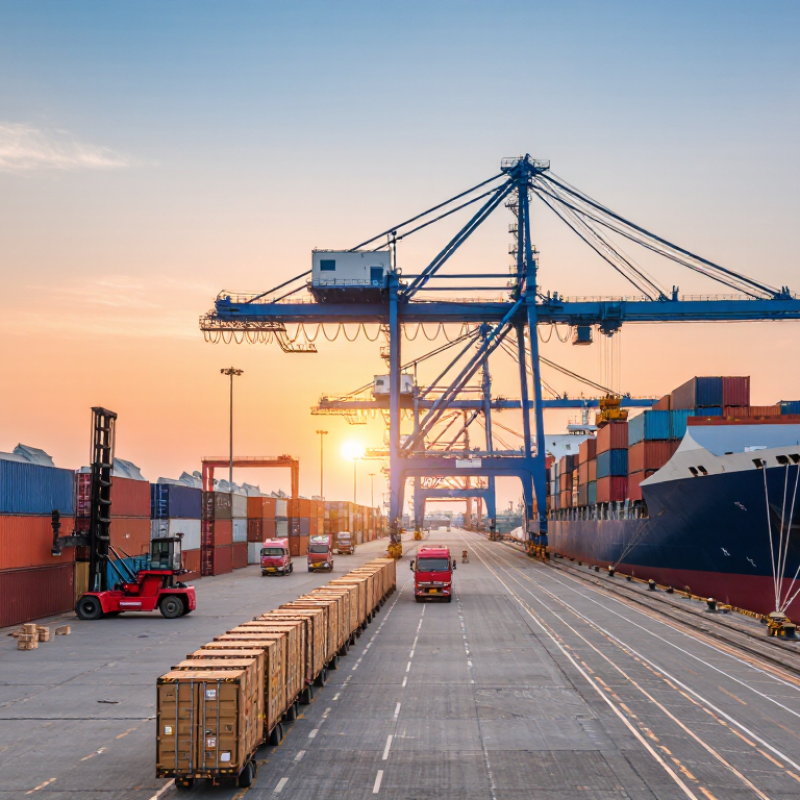
China Top Forwarder and Clearing Agent for Global Buyers?

What a China Freight Forwarder and Clearing Agent Does

A China freight forwarder and clearing agent connects suppliers, carriers, warehouses, and customs offices. The work starts before cargo leaves the factory. A reliable agent checks the commercial invoice, packing list, shipping terms, and product description. Small errors can delay an entire container.

The agent also confirms the correct HS code with the importer’s instructions and current customs requirements. They arrange cargo pickup, export declaration, booking, loading, and transport documents. During customs clearance, they communicate with officials and coordinate inspections when required. They do not replace the importer’s legal responsibility. Accurate information still matters most.

In practice, a good agent notices practical risks. A carton count may differ from the packing list. A wooden pallet may need proper treatment documentation. A shipment may miss its vessel because production finishes late. Clear updates help buyers adjust quickly. Short messages work best.

No shipment is perfectly predictable. Even experienced teams sometimes underestimate port congestion or document review time. That is where careful checking becomes valuable. Buyers should request milestone updates, cost details, and copies of submitted documents. They should also confirm who handles duties, taxes, storage, and final delivery.

A dependable clearing agent keeps records and explains problems without hiding them. They follow applicable trade rules and refuse inaccurate declarations. Their value is not only a lower freight quote. It is fewer surprises between the factory gate and the buyer’s warehouse.

What a China Freight Forwarder and Clearing Agent Does

This chart presents typical planning ranges for the main activities handled by a China freight forwarder and customs-clearing agent. The forwarder coordinates booking, export documentation, port operations, international transport, destination customs communication, and final delivery. Actual timing varies according to cargo type, shipping route, port congestion, customs requirements, and destination country.

Planning reference: approximate working-day ranges commonly used in international ocean freight operations; ocean transit is shown as a representative midpoint.

How to Evaluate Services for Global Buyers

Choosing a top forwarder and clearing agent for global buyers requires more than comparing freight rates. Evaluate experience on your specific trade routes, cargo types, and delivery terms. Ask how many years the team has handled similar shipments. Request clear answers about customs documents, transit times, storage, insurance, and unexpected delays.

A reliable provider should explain every charge before booking. The quotation should separate transport, handling, duties, taxes, and possible inspection fees. Check shipment tracking, response times, and escalation procedures. Ask for verifiable client references, service records, and evidence of qualified customs staff. Real evidence matters. A polished website does not prove operational strength.

Practical testing can reveal weaknesses. Send a small compliant shipment first, then review communication, document accuracy, and final billing. Examine whether the agent updates you when a vessel changes or customs requests clarification. A low price may hide limited support or weak contingency planning. I would not trust one testimonial alone. Even experienced providers make mistakes, so ask how they correct them and prevent repetition. The strongest partner follows applicable import rules, protects confidential information, and gives realistic promises rather than guaranteed perfection.

Key Customs Clearance and Documentation Procedures

China Top Forwarder and Clearing Agent for Global Buyers?

Key Customs Clearance and Documentation Procedures

Reliable customs clearance begins before cargo leaves the supplier’s warehouse. A professional forwarder checks the commercial invoice, packing list, bill of lading, origin certificate, and import license requirements. Product descriptions must match the actual cargo, including materials, quantities, weights, and tariff codes. One wrong digit can delay a container at the port.

The World Bank’s 2023 Logistics Performance Index surveyed 4,090 logistics professionals across 139 economies. Customs efficiency remains one of its six key performance dimensions. The WTO estimates that full Trade Facilitation Agreement implementation could reduce global trade costs by 14.3%. These figures show why document accuracy matters.

A practical clearance file should include the importer’s tax details, purchase contract, transport document, and insurance information. Customs authorities may request valuation evidence or additional product specifications. Keep digital and paper records consistent. That sounds simple.

For ocean shipments, timing also matters. UNCTAD reports that maritime transport carries over 80% of global trade by volume. A missing document can therefore affect storage, delivery appointments, and cash flow. Experienced agents monitor pre-arrival filing, customs queries, duty payment, and release notices. They also explain uncertainty instead of promising instant clearance. No checklist is perfect. Human review still catches errors that software misses.

Shipping Options, Costs, Timelines, and Risk Management

China’s leading forwarder and clearing agent should offer more than a low freight quote. The right partner matches shipping methods with cargo value, urgency, and risk. Sea freight usually costs less, but delivery can take 25–45 days. Air freight may arrive within 5–10 days, with higher charges. Rail services often sit between these options, depending on the route and final destination.

Real costs include pickup, export handling, ocean or air freight, documentation, insurance, destination fees, duties, and taxes. Ask for a written quote with clear Incoterms and validity dates. Small details matter. A carton-sized difference can change the freight class. Peak seasons can also raise prices quickly. Customs clearance depends on accurate invoices, packing lists, product descriptions, and required import documents. A licensed local customs representative may be necessary.

Risk management starts before cargo leaves the warehouse. Confirm the forwarder’s operating history, cargo insurance terms, tracking process, and response time. Request milestone updates, not only a final delivery message. I have seen buyers choose the cheapest option and later pay storage charges because documents were incomplete. That decision looked efficient at first. It was not. A practical plan should include buffer time, inspection checks, packaging standards, and a backup routing option. Even experienced importers miss details when shipment data changes at the last minute.

How to Choose the Right China-Based Logistics Partner

Choosing the Right China-Based Logistics Partner

A capable China-based logistics partner should do more than quote a low freight rate. They should verify suppliers, inspect cartons, confirm export documents, and explain risks before cargo leaves the factory. The World Bank’s 2023 Logistics Performance Index gave China an overall score of 3.7 out of 5, ranking it 19th globally. Strong infrastructure helps, but service quality still varies between cities, ports, and agents.

Ask for measurable evidence. Request recent transit records, shipment tracking samples, customs procedures, and a written claims process. A reliable forwarder should identify the responsible person for booking, warehouse coordination, and exception handling. UNCTAD’s Review of Maritime Transport 2023 states that ships carry over 80% of global merchandise trade by volume. Port delays therefore deserve practical planning, not optimistic promises. Check whether the partner can offer alternative ports, inland routes, and realistic buffer days.

Look closely at communication habits. Do they answer difficult questions clearly? Can they explain chargeable weight, demurrage, cargo insurance, and document deadlines without hiding behind jargon? Site visits can reveal labelled pallets, functioning scanning systems, and basic safety controls. Independent references matter, although they are not perfect. I have seen impressive quotations fail because warehouse handover details were never confirmed. That mistake is avoidable. Compare total landed cost, not only ocean or air freight. Record every assumption in writing, including shipment terms, delivery scope, inspection limits, and responsibility for damaged cartons.

China Top Forwarder and Clearing Agent for Global Buyers? - How to Choose the Right China-Based Logistics Partner

Evaluation Dimension What a Qualified Partner Should Provide Useful Benchmark or Requirement Documents or Evidence to Request Warning Signs
Licensing and legal status A legally registered logistics provider with authorization appropriate to its services, including freight forwarding and customs-related activities. The legal entity name, registration details, operating address, and service scope should be consistent across contracts and invoices. Business registration information, service license details, contract template, and official billing information. Requests for payment to an unrelated personal account, unclear legal identity, or refusal to provide written terms.
Customs clearance capability Accurate classification, commercial invoice review, origin documentation support, and coordination with licensed customs brokers where required. The partner should confirm the HS code, customs value, country of origin, importer of record, and required permits before shipment. Sample declaration checklist, document flow, customs power of attorney, and escalation procedure for inspections. Promises of guaranteed clearance, suggestions to under-declare value, or advice to misdescribe goods.
Mode and route selection Clear comparison of ocean, air, rail, express, and multimodal options based on cost, urgency, cargo characteristics, and destination requirements. Quotes should state origin, destination, service mode, transit-time basis, routing, transshipment points, and chargeable weight rules. At least two routing options, a rate validity period, surcharge schedule, and assumptions behind the quotation. One unexplained price with no routing details, hidden surcharges, or a transit promise without a service definition.
Transit-time transparency Separate estimates for cargo pickup, export handling, main carriage, import clearance, and final delivery. Transit time should be presented as an estimate or service target, not as a guaranteed result unless a written guarantee applies. Milestone schedule, cut-off times, holiday calendar, delay notification policy, and historical performance reports. Only a single door-to-door number with no milestone definitions or explanation of customs and port delays.
Rate structure and total landed cost A complete quotation covering origin charges, freight, destination charges, customs-related fees, delivery, insurance, and applicable taxes. Compare total landed cost rather than freight alone. Confirm whether rates are based on actual weight, volumetric weight, container type, or shipment volume. Itemized quotation, currency, payment terms, accessorial-charge list, demurrage and detention rules, and tax exclusions. An unusually low headline rate followed by unspecified destination fees or frequent post-booking price changes.
Incoterms® and responsibility allocation Practical guidance on terms such as EXW, FOB, FCA, CIF, DAP, and DDP, with responsibilities clearly assigned to buyer and seller. The sales contract, purchase order, commercial invoice, and shipping instructions should use the same named place and Incoterms® rule. Written responsibility matrix covering export clearance, import clearance, duties, taxes, insurance, and final delivery. Use of “door to door” without stating who acts as importer of record or who pays destination duties and taxes.
Cargo handling and consolidation Reliable pickup, warehouse receiving, quantity verification, labeling, palletization, consolidation, and photo documentation. Warehouse procedures should define receiving hours, inventory records, damage reporting, storage limits, and cargo release controls. Warehouse address, cargo-receipt form, packing standards, inspection options, and claims procedure. No receiving record, no photographs for high-value cargo, or inability to reconcile carton count and weight.
Shipment visibility and communication Trackable milestones from pickup through delivery, a named account contact, and documented escalation for exceptions. Updates should include booking confirmation, cargo received, departure, arrival, customs status, and delivery confirmation where available. Tracking demonstration, reporting format, response-time commitment, and emergency contact procedure. Tracking limited to “in transit,” delayed responses, or status updates that cannot be matched to carrier records.
Insurance and liability Clear explanation of carrier liability, freight-forwarder liability, optional cargo insurance, exclusions, and claim deadlines. Insurance coverage should reflect cargo value, route risks, commodity restrictions, deductible, and required evidence of loss or damage. Insurance certificate or policy wording, liability terms, claims form, and damage-reporting timeline. Statements that the forwarder is automatically responsible for the full commercial value of every loss.
Product and regulatory compliance Experience with restricted, hazardous, battery-powered, food, medical, oversized, or temperature-sensitive cargo when relevant. The partner should identify labeling, packaging, safety data, permits, certificates, and transport restrictions before accepting cargo. Dangerous-goods acceptance checklist, product documentation requirements, and destination import restrictions. Acceptance of regulated goods without reviewing specifications, safety documents, or destination rules.
Payment controls and financial security Transparent payment instructions, documented credit terms, invoice reconciliation, and controlled release procedures. Bank-account details should be verified independently, especially after any change to payment instructions. Pro forma invoice, tax invoice, payment terms, refund policy, and approved bank-account confirmation. Urgent payment pressure, last-minute bank changes, or invoices that do not match the contracting entity.
Performance management A measurable service-level agreement covering on-time performance, document accuracy, cargo-damage rate, response time, and claims handling. Evaluate several completed shipments or a controlled trial shipment before moving regular volume to the new partner. Monthly KPI report, corrective-action process, customer references without undisclosed confidential information, and review schedule. No measurable service commitments, no escalation owner, or unwillingness to review performance after delivery.
Practical selection method: Compare at least three written quotations using the same product details, shipment volume, destination, Incoterms® rule, delivery requirement, and customs assumptions. Validate the partner with a small trial shipment before committing regular cargo volume.

FAQS

Which documents are usually needed for customs clearance?

Prepare the commercial invoice, packing list, bill of lading, origin certificate, and import documents. Keep digital and paper records consistent.

Why must product descriptions match the actual cargo?

Descriptions should show materials, quantities, weights, and tariff codes accurately. One wrong digit can delay a container.

What information might customs authorities request?

They may request tax details, the purchase contract, insurance information, valuation evidence, or additional product specifications. Keep these files ready.

How long do common shipping methods usually take?

Sea freight often takes 25–45 days. Air freight may take 5–10 days. Rail timing depends on the route and destination.

Which costs should a written shipping quote include?

Check pickup, export handling, freight, documentation, insurance, destination fees, duties, and taxes. Ask for clear Incoterms and validity dates.

How can buyers reduce clearance and delivery risks?

Confirm operating history, insurance terms, tracking procedures, and response times. Request milestone updates, not only final delivery messages.

Why should buyers include extra time in their shipping plans?

Missing documents can cause storage fees, delivery changes, and cash-flow pressure. A buffer protects the schedule.

Is the cheapest shipping option always the best choice?

Not necessarily. A low quote can hide destination fees or document problems. I have learned that “cheap” needs closer review.

Conclusion

Choosing a reliable China Forwarder And Clearing Agent can simplify international sourcing by coordinating transport, export procedures, customs communication, and final delivery. A capable partner helps global buyers compare sea, air, rail, and express shipping according to cargo volume, urgency, destination, and budget. They should provide clear quotations, realistic transit estimates, shipment tracking, and practical advice on packaging, insurance, and potential delays.

Before selecting a logistics partner, buyers should evaluate experience, communication, service coverage, documentation accuracy, and transparency in fees. Key procedures may include preparing commercial invoices, packing lists, transport documents, product information, and other customs materials required for the destination market. Effective risk management also involves verifying cargo details, confirming responsibilities, allowing time for inspections, and understanding clearance-related costs. The right China-based logistics provider should offer dependable coordination from supplier pickup through customs clearance and delivery, helping buyers reduce avoidable delays, control costs, and maintain predictable international shipping operations.


Henry

Henry

Henry is a dedicated marketing professional with a profound expertise in the company's offerings. With years of experience in the industry, he possesses an impressive understanding of the market dynamics and consumer behaviors that drive success. Henry is committed to sharing his insights through......