
1 / 5
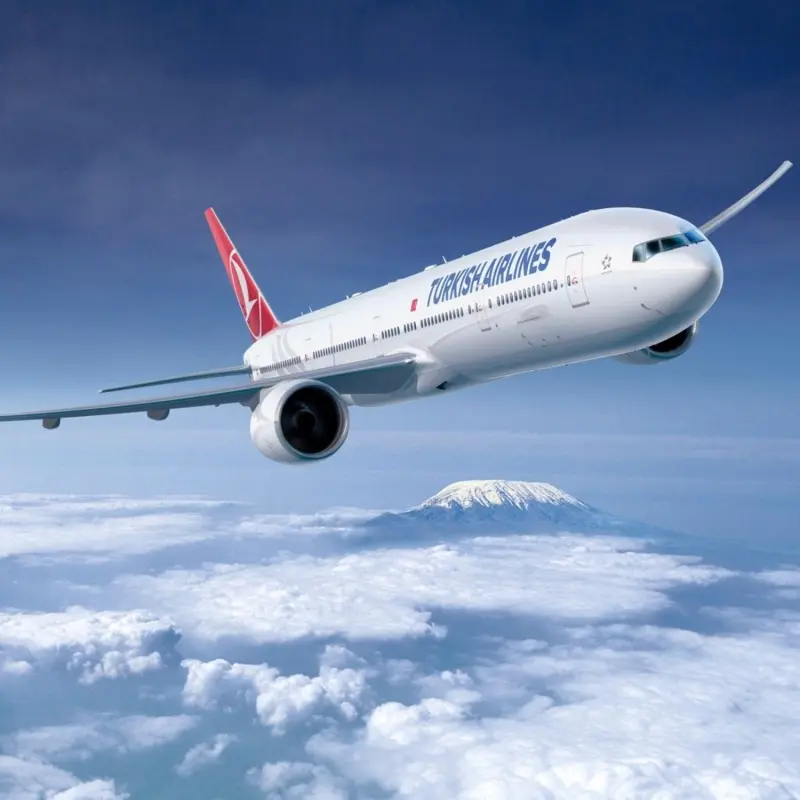
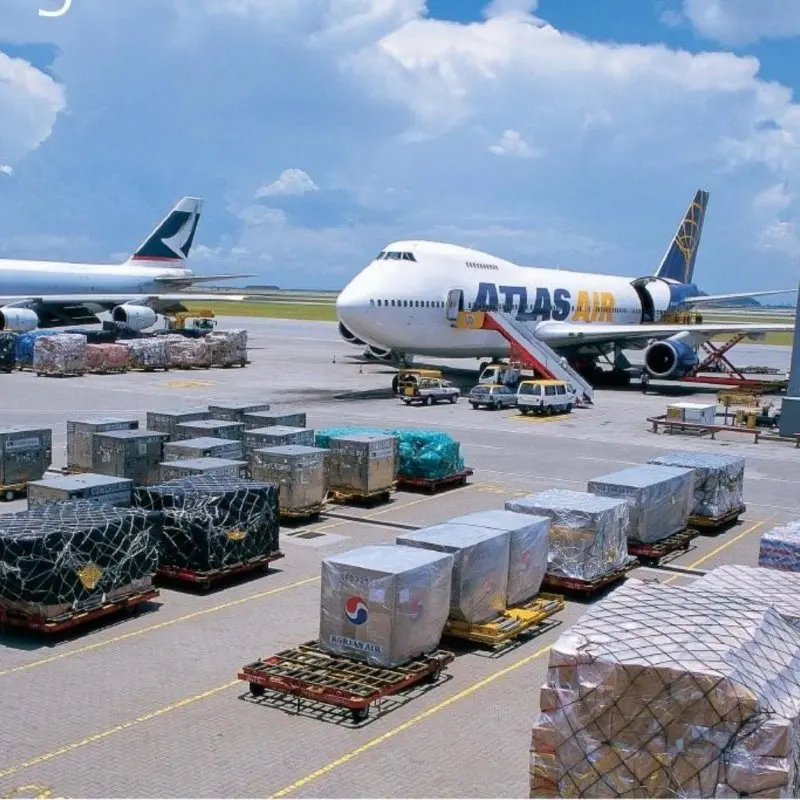
Air freight is the fastest mode of transportation for moving goods. It can deliver goods to their destination within hours or days, depending on the distance. This is beneficial for time-sensitive or urgent shipments that need to reach their destination quickly.
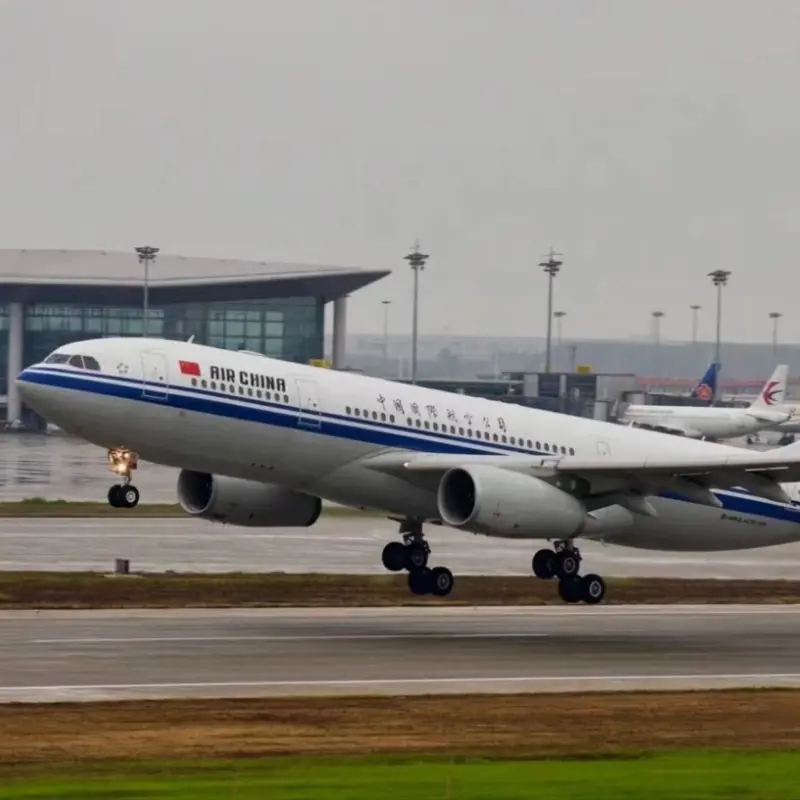
Airlines have strict schedules and operate regularly, which makes air freight highly reliable. Unlike other modes of transport such as sea or road freight, there is less chance of delays or disruptions due to traffic congestion, weather conditions or other external factors.
Air freight can easily reach almost any destination around the world. The airline has an extensive network connecting major cities and airports around the world. This makes air freight suitable for international or cross-border transportation, allowing businesses to expand their business reach to customers in different countries.
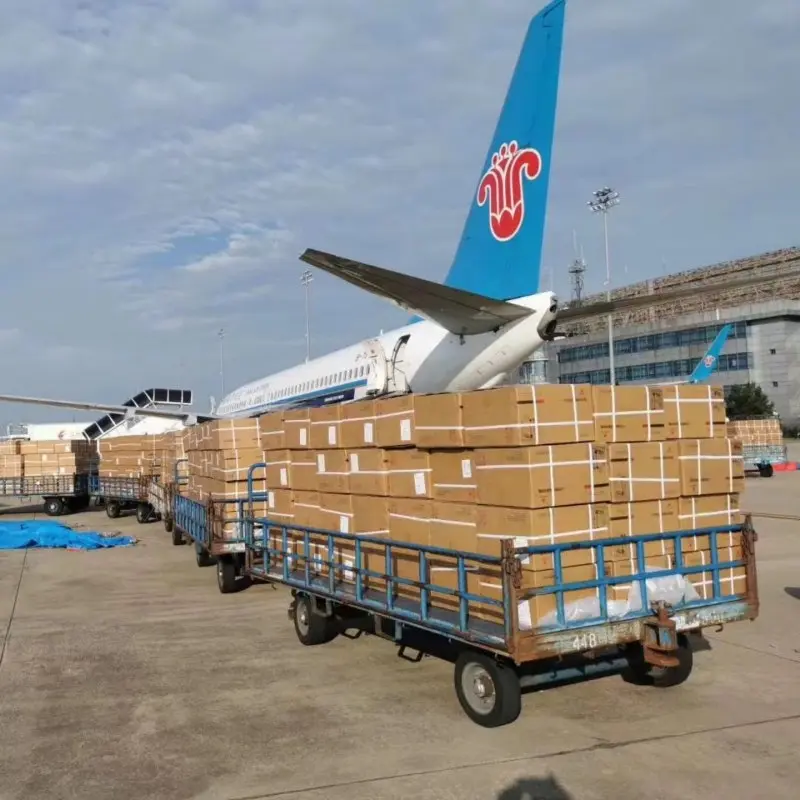
The airport has adopted comprehensive security measures to ensure the safety of cargo. This includes strict screening procedures for passengers and cargo, thereby reducing the risk of theft or loss during transport. In addition, air freight provides better visibility and tracking capabilities, allowing businesses to monitor and track their shipments throughout the transportation process.
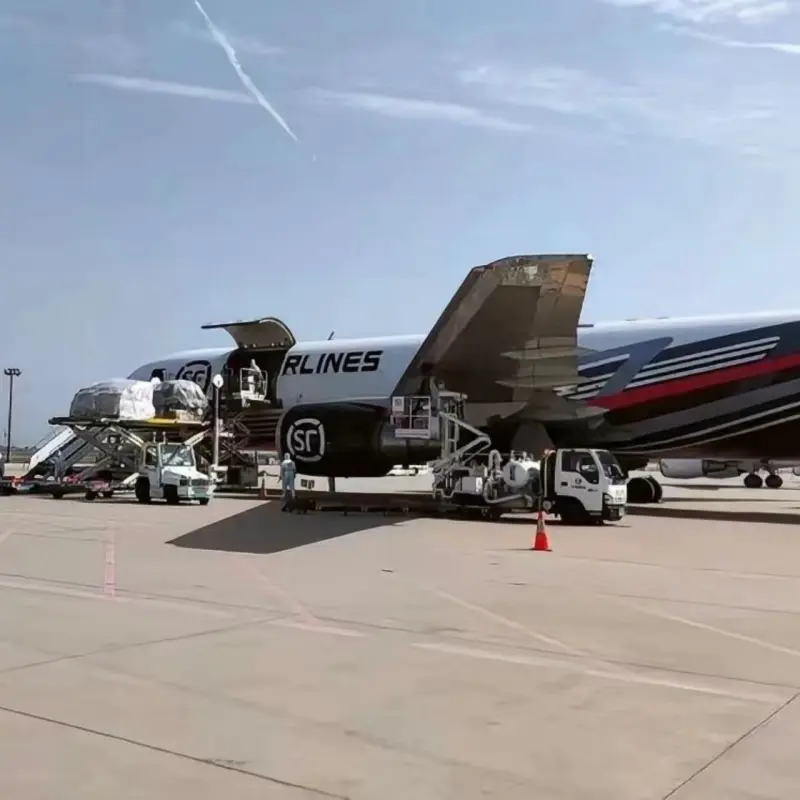
Air freight is ideal for transporting perishable, fragile or high-value goods. Airlines have specialized facilities and equipment to handle sensitive cargo, such as temperature-controlled containers for perishable items or reinforced packaging for fragile items. This ensures that goods are handled with care and arrive at their destination in optimal condition.
Because air freight has faster transit times, businesses can reduce inventory levels. Rather than having to stock large quantities of items, companies can maintain just-in-time inventory, reducing storage costs and the risk of obsolescence.
Air freight offers flexible scheduling options, with multiple flights departing and arriving at the airport throughout the day. This allows businesses to adjust their shipping plans and meet changing customer demands or unforeseen circumstances. It's worth noting that while air freight has many advantages, it's often more expensive than other shipping methods.
Air freight is the fastest shipping method available, capable of moving goods to their destination within hours or days, making it ideal for time-sensitive cargo.
Airlines maintain strict, consistent schedules, minimizing disruptions or delays commonly caused by road congestion, adverse weather, or port bottlenecks.
Airports enforce rigorous screening protocols for cargo and passengers, which significantly reduces the danger of theft or loss while delivering end-to-end shipment visibility.
Yes, airlines utilize dedicated equipment, including climate-controlled units and reinforced handling procedures, ensuring fragile and perishable cargo remains protected.
Shorter transit times enable companies to operate on a just-in-time inventory system, cutting down on warehouse space requirements and the risk of product obsolescence.
Since air transport is typically more expensive than ground or ocean alternatives, businesses must weigh the delivery speed against overall shipping costs and cargo needs.








