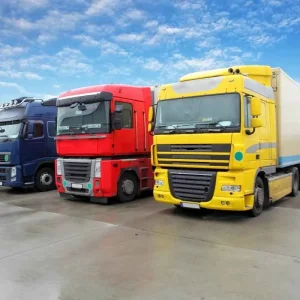
Direct logistical pathways and consolidated inventory management providing door-to-door delivery for Chinese automotive aftermarket parts, protective extrusions, and bulk container freight worldwide.
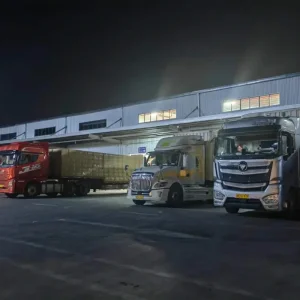

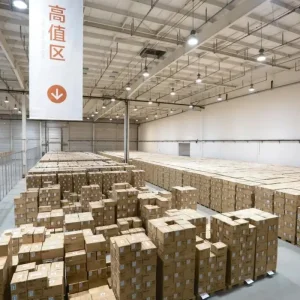

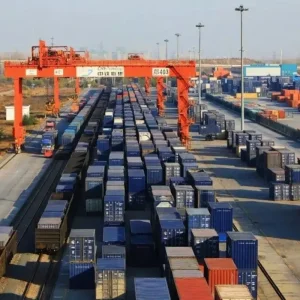



Analyzing structural shifts in vehicle door panel geometry, urban parking space compaction, and the transition from cosmetic strips to impact-mitigating, aerodynamically integrated exterior trim.
The global automotive exterior protection components sector has witnessed rapid evolution over the past decade. Car side door edge guards—historically perceived as basic aftermarket cosmetic accessories—have transitioned into functionally critical, engineering-driven automotive body elements. As passenger vehicles have expanded in average width (surpassing 1,850 mm for modern compact and midsize SUVs) while commercial parking stalls, multi-story garages, and residential bays have remained static at standard dimensions (2.4 to 2.5 meters), the incidence of low-speed door strike collisions, paint chipping, structural sheet metal denting, and corrosion initiation has surged exponentially.
In response to mounting warranty expenditures and consumer dissatisfaction, Tier-1 automotive assemblers and international replacement parts distributors have turned to China's advanced polymer fabrication clusters in Zhejiang, Jiangsu, and Guangdong. Modern manufacturing processes no longer rely on unreinforced soft plastics. Instead, contemporary automotive door edge protectors represent a composite harmony of cross-linked ethylene propylene diene monomer (EPDM) rubbers, thermoplastic elastomers (TPE/TPV), high-resilience thermoplastic polyurethanes (TPU), and co-extruded segmented spring-steel or aluminum skeletal sub-structures.
Factory-fitted pre-delivery edge guards designed to conform flush with aerodynamic door swage lines. Modern OEMs require non-marring U-channel clips that grip door hem flanges (0.8mm to 2.2mm thickness) without paint-scratching adhesives, preventing galvanic corrosion through coated metallic inserts.
Pre-cut and continuous spooled edge protectors engineered for universal DIY installation. The aftermarket demands high aesthetic customizability, including carbon fiber water-transfer finishes, electroplated chrome visual accents, high-gloss piano black surfaces, and ultra-high molecular weight tapes.
Heavy-duty, high-impact rubber moldings designed for urban logistics vans, taxi operations, ride-share fleets, and emergency service vehicles where doors cycle hundreds of times daily in punishing, confined loading docks and curbside spaces.
Benchmarking the structural mechanics, thermal stabilization, and adhesive peel strength required for tier-1 vehicle door protector export certification.
As premier sourcing agents and export partners operating out of Shanghai and China's major industrial manufacturing regions, our engineering teams audit and collaborate strictly with certified manufacturing facilities (ISO 9001 and IATF 16949 certified). The longevity of an automotive door guard is determined by its resistance to photolytic UV degradation, thermal cycling (-40°C to +105°C), plasticizer migration, and ozone-induced micro-cracking.
| Material Class | Hardness (Shore A) | Operating Temp Range | UV Stability Index | Impact Deflection Mechanism | Optimal Global Application |
|---|---|---|---|---|---|
| Co-Extruded EPDM with Steel Core | 65 - 75 Shore A | -45°C to +125°C | ASTM G154 > 3,500 hrs | Segmented spring-steel skeleton absorbs localized kinetic force | OEM & Harsh Climates Northern Europe, Canada, Commercial Trucking |
| Thermoplastic Polyurethane (TPU) | 75 - 85 Shore A | -35°C to +90°C | SAE J2527 Accelerated UV Pass | Elastomeric rebound memory prevents permanent deformation | High-End Aftermarket Premium SUVs, EV Door Edges, Clear Invisible Guards |
| Thermoplastic Elastomer (TPE/TPV) | 60 - 70 Shore A | -40°C to +110°C | ISO 4892-2 Certified Xenon Arc | Micro-cellular internal damping cushions secondary panel flex | Eco-Friendly Recyclable Global Automakers targeting Closed-Loop Circularity |
| Plasticized Polyvinyl Chloride (PVC) | 70 - 80 Shore A | -20°C to +75°C | UV Stabilizer Masterbatch (DIN 75202) | Viscous flow dissipation across exterior U-channel profile | Mass Retail Volume Fast-moving e-commerce packs, promotional automotive accessories |
For adhesive-backed edge protectors, failure typically stems from improper surface energy wetting or shear failure under thermal cycling. Exporters must verify the adhesive type:
Before authorizing container shipping, our export quality management protocols subject edge protector batches to rigorous validation matching international benchmarks:
Tailoring edge guard extrusion profiles, compound formulations, and distribution logistics to varying continental vehicle profiles and environmental pressures.
High density of full-size pickup trucks (Ford F-Series, Chevy Silverado) and three-row SUVs. Door edge guards must feature deeper channel depths (10mm to 14mm) and larger impact ribs to protect wider door panels during high-wind door swings in suburban parking lots.
Compact urban streets, historic city cores, and narrow underground garages demand discrete, low-profile, and aerodynamically tuned door protectors that preserve the vehicle's original styling while satisfying strict pedestrian impact directives.
Extreme ambient conditions with surface sheet-metal temperatures exceeding 75°C and intense solar radiation. Inferior plastics soften, yellow, or leach plasticizer oil onto paint within months. Only high-heat vulcanized EPDM and Hindered Amine Light Stabilizer (HALS) TPU survive.
Connecting manufacturing factories directly to global receiving hubs through synchronized freight forwarding, bonded consolidation, and automated customs filing.
Procuring car side door edge guards from China at industrial volume demands far more than locating a reliable tooling factory. The real cost competitiveness of global importers hinges upon the precision of the export supply chain: minimizing dimensional weight (CBM vs. actual weight ratios), guarding against maritime moisture intrusion, preventing adhesive premature curing during tropical container transit, and navigating intricate customs tariff classifications (HS Code 3926.90 / 8708.29).
As a seasoned, multi-modal supply chain technology provider and international forwarding agent headquartered in Shanghai, Shanghai Meishe Supply Chain Technology Co., Ltd. coordinates every phase of the cross-border conduit. We ensure that factory floor production translates directly into cleared, duty-paid stock delivered to distribution warehouses across the United States, Europe, Canada, Australia, and Latin America.
Eliminating intermediary markups, transit blindspots, and border holdups through a single managed logistical architecture.
On-site inspection of extrusion dies, polymer compounding plants, and steel insert stamping machinery across Ningbo, Yuyao, Changzhou, and Guangzhou manufacturing corridors.
Warehouse hubs in Shenzhen, Yiwu, and Shanghai consolidate accessories, re-carton goods into moisture-barrier export shippers, and apply custom barcode/FBA pallet labels.
Accurate HS coding and duty management under DDP (Delivered Duty Paid) terms, mitigating anti-dumping scrutiny and ensuring full compliance with destination customs.
Matching volume, budget, and speed requirements through chartered air cargo (7-12 days), express ocean freight (15-22 days), regular FCL/LCL sea lines, or China-Europe railway.
Direct insurance brokerage consultancy protecting high-value consignments against ocean container sweat, shifting damage, pilferage, and general average declaration.
Seamless handoff to domestic liftgate carriers, UPS, FedEx, or scheduled appointments at Amazon fulfillment centers without holding fees or demurrage delays.
Authoritative operational answers regarding material selection, shipping timeframes, minimum order quantities, and customs procedures.
Adhesive failure in transit is caused by excessive temperature and relative humidity inside ocean containers during transits across equatorial waters (container sweat). As your dedicated export agent, we mandate that factories package goods with sealed inner polyethylene vapor-barrier bags and high-absorption silica desiccant pouches. Furthermore, we advise utilizing high-grade 3M acrylic foam tapes whose cross-linked viscoelastic properties remain inert under non-applied storage temperatures up to 65°C.
Depending on your inventory velocity, our multimodal forwarding schedules offer: (1) Air Express: 3 to 4 business days; (2) Standard Air Freight: 7 to 12 days; (3) Fast Ocean Service (e.g., Matson navigation direct to West Coast ports with expedited chassis discharge): 15 to 18 days door-to-door; (4) Standard Sea Freight: 22 to 30 days depending on final destination (e.g., East Coast fulfillment centers). All shipments under our DDP umbrella clear customs and arrive palletized to Amazon specifications.
Yes. Shanghai Meishe operates domestic receiving and consolidation warehouses in Yiwu, Shenzhen, and Shanghai. If your company procures car door edge protectors from one supplier in Zhejiang, interior dash mats from Jiangsu, and LED lighting from Guangdong, our team collects the goods, verifies piece counts and quality standards, consolidates them into a single Full Container Load (FCL) or grouped LCL, and executes unified export customs documentation.
Under FOB (Free On Board), the importer bears total liability, fluctuating ocean rate volatility, terminal handling charges, destination demurrage risks, and the complex burden of clearing foreign customs and paying applicable tariffs. With our DDP (Delivered Duty Paid) program, we assume full logistical accountability. We bill you a single all-in price per unit or CBM that includes China factory pickup, export clearance, ocean/air freight, destination port clearance, import tariffs, and final-mile commercial delivery.
We counsel all international buyers to verify: (1) IATF 16949 or ISO 9001 factory quality management certification; (2) RoHS 2.0 and REACH chemical compliance test reports from accredited bodies (SGS, TUV, or Intertek) guaranteeing absence of prohibited plasticizers (phthalates) and lead compounds; (3) Salt spray test records (ASTM B117 ≥480h) if the protector contains internal steel or aluminum clips; and (4) Xenon-arc accelerated weathering data (ISO 4892) confirming no embrittlement or severe color shift (ΔE ≤ 2.5).
Complete network lanes, specialized duty-paid fulfillment, and international freight management backing automotive component distribution worldwide.