
1 / 3
One of the main advantages of DDU shipping is cost savings for sellers. Since sellers are not responsible for paying import duties, taxes, or customs fees, they avoid these additional costs, which can be substantial in international trade.
By choosing DDU shipping, sellers can offer customers more competitive prices. Since they are not burdened with additional costs, they can pass these savings on to buyers, making their products more attractive in the market.
DDU shipping simplifies the logistics process for sellers. The seller is only responsible for shipping the goods to the designated destination, and the buyer is responsible for customs clearance and payment of import duties. This reduces the administrative burden on sellers, allowing them to focus on their core business activities.
When using DDU shipping, the seller's liability is limited to delivering the goods to the destination specified by the buyer. Upon delivery of the goods, the buyer assumes responsibility for the goods, including any potential damage or loss. This protects sellers from potential disputes and legal issues.
DDU shipping provides buyers with flexibility in clearing customs and paying import duties. Buyers can choose their preferred customs broker and control the customs process. They may also benefit from any import duty exemptions or preferential trade agreements that apply to them.
Because the seller is responsible for the shipping and delivery process, DDU shipping often results in faster delivery times compared to other shipping terms where the buyer may have to arrange shipping themselves. It should be noted that DDU transportation also has its limitations and precautions.
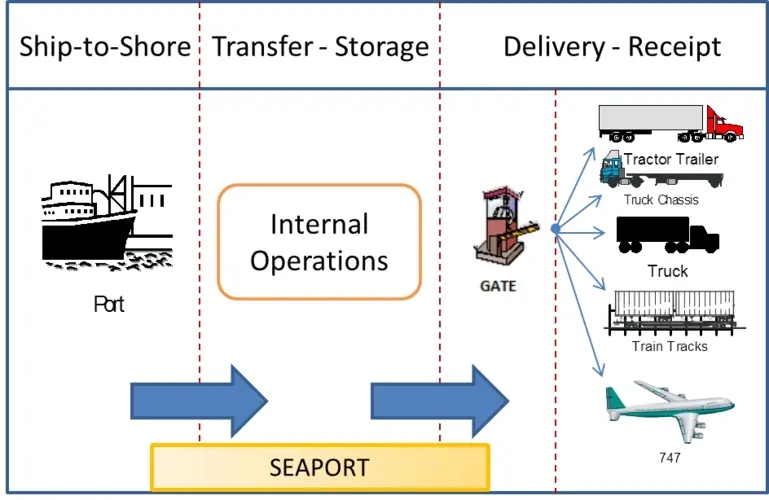
DDU stands for "Delivered Duty Unpaid." Under these terms, the seller delivers the goods to the named destination country, while the buyer is responsible for handling import customs clearance, tariffs, and local taxes.
The buyer is strictly responsible for paying all import duties, taxes, VAT, and any clearance inspection fees incurred upon the cargo's arrival at destination customs.
With DDP (Delivered Duty Paid), the seller covers all customs clearance costs, duties, and taxes. In contrast, under DDU, the seller is only responsible for transport to the destination, leaving duties and import clearance to the buyer.
Yes, one major advantage for buyers is the freedom to appoint their preferred local broker, allowing them to manage import processes directly and utilize local trade benefits or duty exemptions.
If the buyer fails or refuses to pay import duties, customs may hold, abandon, or return the cargo. Sellers must ensure clear agreement on clearance duties before dispatching the goods.
In the official ICC Incoterms 2020 rules, DDU has been replaced by DAP (Delivered at Place). However, the term DDU is still widely recognized and practiced in global freight contracts.








