Verified door-to-door forwarding frameworks connecting industrial manufacturing hubs in China to primary Western and Asia-Pacific consumer clusters.
In an era defined by volatile maritime routing, compressed e-commerce delivery windows, and heightened regulatory audits, managing cross-border freight requires operational architecture rather than transactional brokerage.
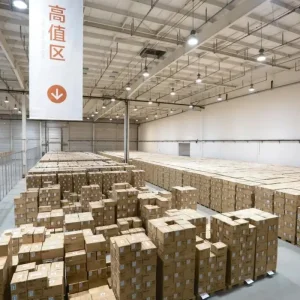
Global retail platforms and enterprise buyers operate across diverse Chinese manufacturing bases—from electronics in Shenzhen to hardware in Ningbo and commodities in Yiwu. A high-tier China freight forwarder eliminates fragmented transport costs by deploying regional consolidation depots that audit carton integrity, verify inner packaging compliance, and merge Less-Than-Container Loads (LCL) into cost-effective Full Container Loads (FCL).
Regulatory frameworks such as the EU's Carbon Border Adjustment Mechanism (CBAM), the US Section 301 tariffs, and global anti-dumping classifications have heightened customs risk. Sourcing from China necessitates an authoritative logistics supplier capable of pre-classifying Harmonized System (HS) codes, vetting toxic and electronic certificates, and executing Delivered Duty Paid (DDP) transactions without clearance bottlenecks.
Traditional sea shipping models that rely on static bills of lading and manual email check-ins fail modern supply chains. Leading enterprise importers demand telemetry at every milestone: factory gate dispatch, export port dwell times, transshipment notifications, and dock appointment scheduling at fulfillment centers such as Amazon FBA, Walmart WFS, and regional third-party logistics (3PL) nodes.
How deep algorithmic optimization, smart multi-modal switching, and intelligent trade compliance are redefining the next decade of cross-border transport.
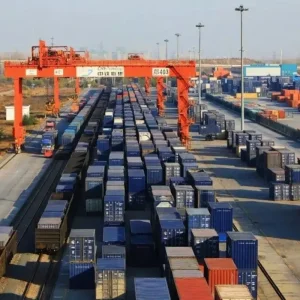
The convergence of ocean shipping, air express, and cross-border rail requires intelligent intermodal shifting. When Red Sea maritime congestion or port labor disputes expand sea transit by 14 days, automated routing algorithms redirect critical inventory batches to China-Europe Railway corridors or fast air-freight hubs, keeping factory supply lines fluid while preserving baseline margins.
Manual paperwork inevitably introduces calculation errors, misapplied tariff codes, and compliance audits. Modern systems parse commercial invoices with optical entity recognition, map goods to current WTO tariff schedules, verify origin declarations, and compute exact per-unit landed costs including port dues, terminal handling fees (THC), and domestic value-added taxes (VAT).
With the exponential growth of smart hardware, consumer robotics, and portable energy products, shipping lithium-ion batteries (UN3480/UN3481) and magnetic assemblies has become an essential capability. Forwarding agents must possess accredited UN packaging validation, verified MSDS analysis, and direct cargo carrier allotments to prevent severe port quarantines or airline cancellations.
Tailored clearance protocols, designated vessel alliances, and last-mile partner integrations tuned to specific geographical consumer markets.
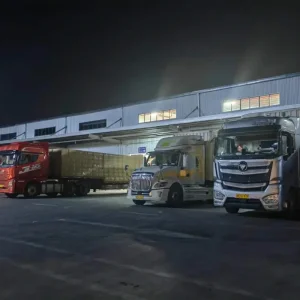
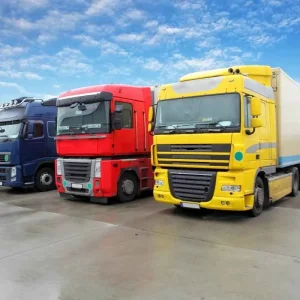
Navigating trans-Pacific lanes requires precision. For enterprise Amazon sellers and omnichannel brands, we offer integrated Matson and express ocean vessel allocations into Los Angeles/Long Beach, automated customs entry via US CBP Type 86/01 bonds, and seamless injection into UPS, FedEx, or dedicated dry-van pallet delivery networks across Ontario, California, and Dallas nodes.
European distribution requires strict adherence to Import One-Stop Shop (IOSS), local fiscal representation, and German/French packaging regulations. Our specialized routes utilize both fast maritime discharge via Rotterdam and Antwerp and eco-efficient China-Europe Rail links terminating in Duisburg and Poland, offering 15-to-18 day transit savings compared to conventional cape-routed maritime shipping.
Supplying the Australian and ASEAN markets requires deep knowledge of biosecurity treatments (such as BMSB fumigation for Australia) and regional trade pact exemptions (RCEP/Form E). From our coastal hubs in Shanghai, Ningbo, and Shenzhen, we orchestrate scheduled weekly sailings with full import duty pre-payment and comprehensive wharf cartage straight to commercial stores.
How authoritative freight architecture protects working capital, manages transit liability, and prevents unexpected landed charges.
Unanticipated terminal demurrage, detention fees, and unpredictable port duties can quickly eliminate retail margins. Operating under strict Delivered Duty Paid (DDP) arrangements fixes the total landed cost upfront. Our domestic bonded warehouses absorb customs responsibilities, ensuring that products are delivered to consumer fulfillment docks without additional fees or administrative intervention.
Over 70% of Amazon warehouse rejections and transport cargo claims stem from substandard factory packaging, non-compliant barcode scannability, or inadequate moisture protection inside shipping containers. Our physical hubs in Yiwu, Shenzhen, and Shanghai perform standardized drop testing, pallet shrink-wrapping, secondary banding, and barcoding prior to ocean loading.
Maritime general average incidents, container stack collapses during ocean squalls, and airport transit damages require rapid financial insulation. Through our integrated insurance brokerage consultancy, every bill of lading can be paired with primary Institute Cargo Clauses (A) all-risk insurance, safeguarding the invoice value of your goods from factory gate collection to destination unloading.
Select specialized warehousing, global ocean, regional railway, and express cargo routes configured to match your seasonal shipment schedules.
Authoritative answers directly from our operations desk to help streamline your cross-border supply chain.