Verified ocean routes, Amazon FBA fulfillment lanes, and intermodal transport channels handled under complete compliance frameworks.
In an era governed by geopolitical shifts, decarbonization mandates, and variable marine demand, modern ocean logistics requires institutional precision and predictive execution.
Global ocean freight networks navigate complex structural supply imbalances. Balancing blank sailings, dynamic capacity management, and maritime alliance shifts demands localized operational forecasting to ensure reliable vessel slot space.
Global container terminals demand hyper-coordinated intermodal synchronization. Through deep links connecting port transshipment, off-dock yards, and inland networks, cargo dwell intervals are minimized across major global lanes.
Rigorous environmental frameworks—such as IMO 2030 metrics, CII benchmarks, and ETS carbon credit parameters—require logistics providers to deploy smart, route-optimized freight models that reduce operational footprints.
China's industrial manufacturing ecosystem pairs raw material sourcing with assembly lines, deep harbor networks, and automated container handling. This proximity drastically truncates production-to-quayside lead times.
By leveraging dedicated regional hubs—such as the Pearl River Delta (electronics and hardware), the Yangtze River Delta (precision engineering, machinery, green mobility), and the Bohai Rim (heavy industrial products)—manufacturing velocity translates directly into reduced total landed times.
Integrated supply chain orchestration bridges production floors directly to departure berths across Shenzhen, Ningbo, and Shanghai, removing redundant dwell time and stabilizing overseas distribution.
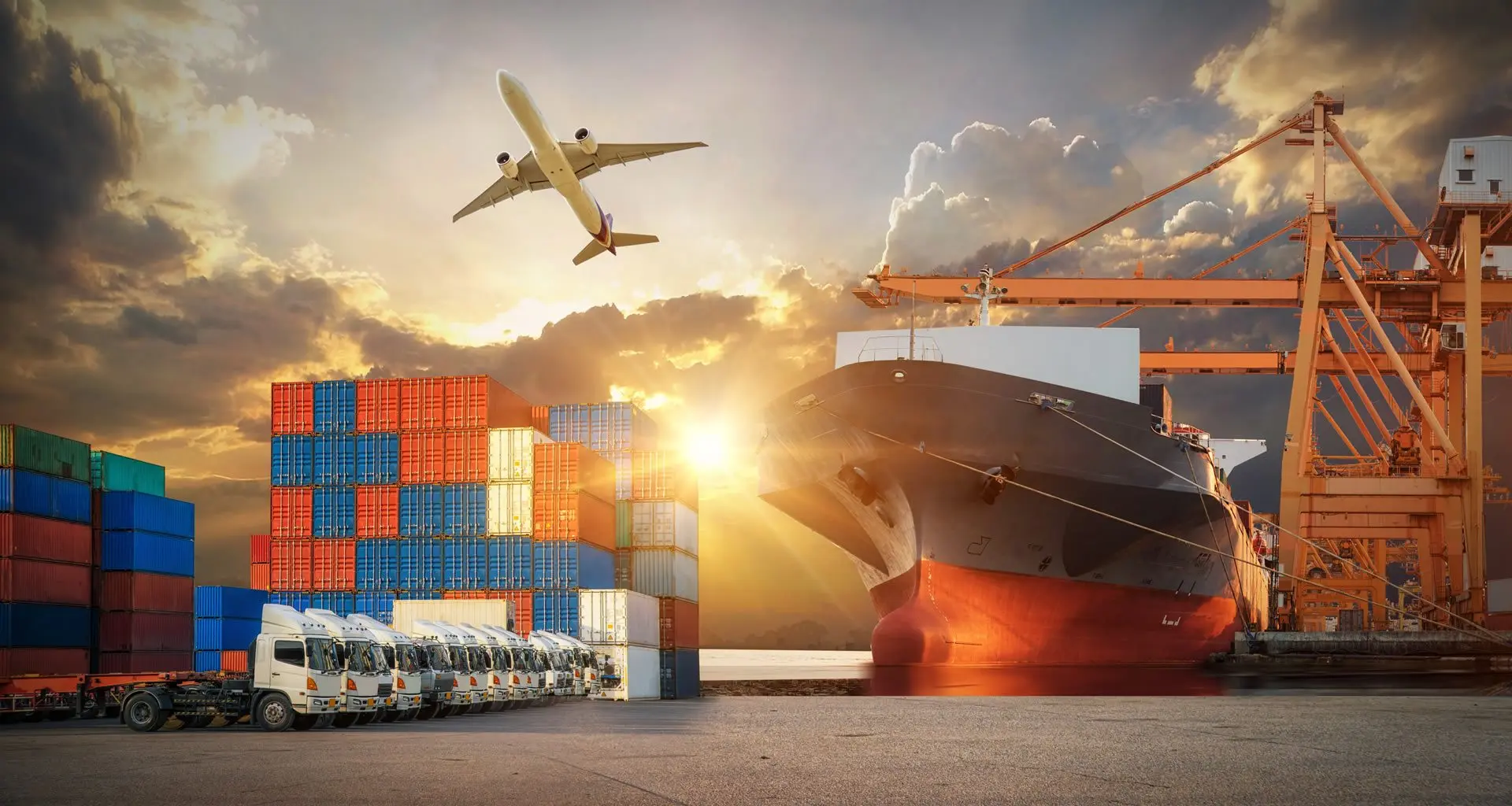
Dynamic multimodal deployment tailored to the structural variables of modern cross-border commercial operations.
Time-critical inventory replenishment for marketplace sellers. Includes verified container stripping, automated labeling, strict carton inspection, and dedicated dock appointments across US, EU, and Canadian fulfillment hubs.
Consolidating small LCL consignments from divergent domestic factories into shared high-cube containers within specialized warehouses in Yiwu, Shenzhen, and Shanghai reduces destination deconsolidation expenditures.
Seamless handoff from oceanic container berths straight to regional transshipment cross-docks, synchronizing real-time inventory buffers with global retail consumer demands.
Examining how digital visibility, intelligent algorithms, and resilient risk practices redefine international trade lanes.
Real-time analytics and predictive routing models forecast weather disruption, bottlenecked berths, and transshipment holds, shifting cargo dynamically to the most cost-effective alternatives.
Manual quotes are replaced by automated landed cost matrices that integrate dynamic ocean carriage, drayage variations, seasonal peak premiums, and destination customs duty structures.
Sensors track high-value, battery-powered, and sensitive cargo, logging container temperature, humidity, shock impact, and geospatial progress to mitigate claims before final-mile delivery.

Corporate logistics procurement officers prioritize margin stability over volatile spot-market fluctuations. Predictable door-to-door cycles require vetted Incoterms selection, accurate classification, and strict regulatory adherence.
Choosing between DDP (Delivered Duty Paid) and DDU (Delivered Duty Unpaid) shapes overall liability balance. DDP delivers all-inclusive pricing that folds customs clearance, tariffs, and inland drayage into a single predictable invoice, insulating corporate ledgers from unexpected foreign port surcharges.
Through robust local representation, active customs brokers, and structured insurance underwriting, consignees ensure seamless regulatory alignment without capital-intensive domestic entities.
Specialized corridors covering European Union rail links, Middle East logistics, and high-frequency North American trade routes.
Expert insights covering transit cycles, customs protocols, dangerous cargo handling, and risk parameters.
















