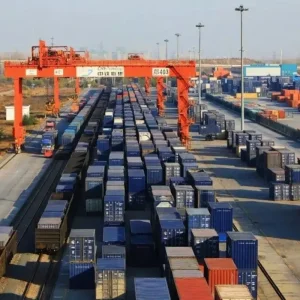
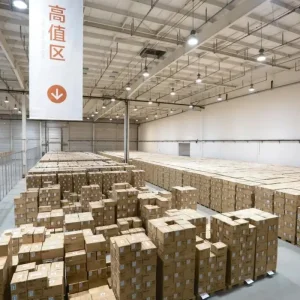
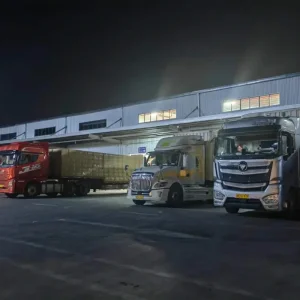
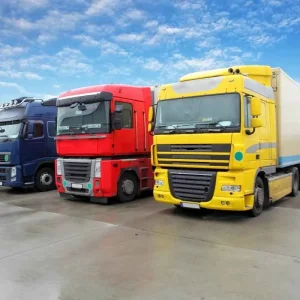
Explore our core multimodal freight offerings engineered to handle oversized industrial cargo, hazardous and battery-compliant shipments, and high-frequency factory floor replenishments.
Navigating the post-pandemic maritime landscape, tariff recalibrations, geopolitical choke points, and algorithmic supply chain management across primary oceanic and continental freight corridors.
The implementation of IMO 2023 regulations and the Carbon Intensity Indicator (CII) has structurally elevated bunker surcharges and constrained older vessel capacities. Spot market rates across trans-Pacific and trans-Atlantic lanes demand long-term contractual allocations (COA) blended with dynamic indexing.
By leveraging tier-one vessel space agreements, forwarders stabilize shipping expense volatility, shielding cross-border importers from unexpected general rate increases (GRI) and peak season surcharges (PSS).
Red Sea security contingencies and drought restrictions within the Panama Canal have disrupted historical lead-time models, extending typical transit days by 10 to 14 days around the Cape of Good Hope. Modern enterprise procurement cannot rely upon static ocean lanes.
Integrated global logistics operators employ proactive multimodal diversion strategies, combining fast sea freight into western ports with transcontinental rail links and bonded intermodal corridors.
International customs border authorities, including US CBP (ACE portal), EU (ICS2 Release 3), and Mexican SAT, require granular HTS data and automated electronic pre-filing well before vessel departure. Failure in HS code mapping results in confiscation or punitive demurrage.
A true enterprise DDP/DDU logistics supplier operates in-house customs brokerage consultancy, ensuring binding tariff rulings, origin declarations, and automated duty settlement.
Why China remains the operational fulcrum of international wholesale manufacturing: industrial clustering, rapid prototyping, and high-density feeder port architectures.
Unlike fragmented offshore production ecosystems, Chinese industrial clusters—concentrated in Guangdong, Zhejiang, Jiangsu, and Shandong—provide unrivaled upstream-to-downstream physical co-location. Raw polymer extruders, precision tooling dies, surface treatments, electronics PCB assembly, and secondary packaging operate within a 90-minute transit radius.
This operational density allows logistics suppliers to orchestrate multi-vendor pick-up runs within hours of manufacturing completion. Forwarding consolidation hubs in Shenzhen, Ningbo, Yiwu, and Shanghai intake freight from dozen different Tier-2 and Tier-3 vendors, executing sorting, barcoding, pallet inspection, and container stuffing within twenty-four hours.
China’s coastal terminals—including Shanghai Yangshan, Ningbo-Zhoushan, and Shenzhen Yantian—deploy automated guided vehicles (AGVs), OCR-driven gate checks, and algorithmic container stacking. Terminal dwell times average under 1.8 days, compared to western counterparts frequently experiencing 4 to 7-day choke points.
High port throughput directly mitigates roll-over risks for international buyers. Furthermore, sophisticated inland feeder networks via barge routes on the Yangtze River allow deep continental factories in Wuhan, Chongqing, and Chengdu to channel exports smoothly into deep-sea container lines without redundant highway transit expenses.
Engineering regional routing matrixes tailored to local statutory compliance, delivery infrastructure, and commercial consumer fulfillment timelines.
US and Canadian fulfillment centers require strict palletization height standards, master carton compliance, and appointment scheduling via Carrier Central. Non-compliant inbound shipments face immediate gate rejection and inventory placement surcharges.
Bridging the gap between 35-day ocean transit and premium air freight, the Yiwu/Xi'an to Duisburg/Hamburg railway corridor delivers reliable 14- to 18-day door-to-door transit for automotive components, solar electronics, and seasonal textiles.
Mexico’s IMMEX manufacturing framework has established Monterrey, Guadalajara, and Tijuana as global industrial nexus points. Chinese components, molds, and sub-assemblies require strict Pedimento customs clearance.
How predictive machine learning, real-time sensor telematics, and automated documentation are replacing reactive legacy forwarding methods.
Standard AIS tracking fails during vessel anchorage congestion and transshipment port rolling. Modern digital forwarders integrate machine-learning predictive engines that parse weather vectors, terminal berth productivity, labor strikes, and lock throughput.
This operational intelligence empowers inventory planners to proactively shift safety stock allocations and avoid expensive out-of-stock events before the cargo even approaches terminal gates.
For high-value consumer electronics, medical components, and dangerous lithium battery shipments (UN3480/UN3481), real-time sensor modules placed inside container loads stream continuous telemetry via cellular and satellite channels.
Parameters tracked include interior container temperature, relative humidity, shock impact vectors (>2G thresholds), light exposure (indicating illicit seal breach), and barometric pressure anomalies.
Manual document creation is the leading cause of international shipment hold-ups. API integrations ingest supplier commercial invoices and packing lists directly from factory ERP software, translating descriptions into standardized 10-digit HTS codes.
Automated compliance audits identify anti-dumping duty flags, Lacey Act declarations, and toxic substance controls (TSCA), avoiding clerical audit delays at western borders.
A rigorous evaluation matrix for procurement teams navigating ocean freight spot markets, contract demurrage, and Incoterm liabilities.
| Incoterm 2020 | Export Origin Drayage | Ocean/Air Freight | Import Customs Filing | Import Tariffs & VAT | Destination Final-Mile | Ideal Procurement Profile |
|---|---|---|---|---|---|---|
| EXW (Ex Works) | Buyer Pays | Buyer Pays | Buyer Clears | Buyer Pays | Buyer Arranges | Large multi-nationals with local origin offices. |
| FOB (Free on Board) | Factory Pays | Buyer Pays | Buyer Clears | Buyer Pays | Buyer Arranges | Traditional importers retaining independent customs brokers. |
| CIF (Cost, Insurance & Freight) | Factory Pays | Factory Pays | Buyer Clears | Buyer Pays | Buyer Arranges | High risk of concealed port terminal destination fees. |
| DDU (Delivered Duty Unpaid) | Forwarder Manages | Forwarder Manages | Forwarder Coordinates | Buyer Pays Locally | Forwarder Delivers | Corporations with pre-established tax deferment accounts. |
| DDP (Delivered Duty Paid) | Forwarder Manages | Forwarder Manages | Forwarder Clears | Forwarder Pays | Forwarder Delivers | E-commerce, Amazon FBA, & Turnkey Wholesale Distributors. |
Uncontrolled demurrage and detention represent the single most common source of unbudgeted margin leakage for mid-market importers. Ocean lines frequently grant only 4 to 5 free calendar days at discharge terminals before applying daily penal fees ranging from $150 to $450 per TEU.
An experienced freight supplier negotiates 14 to 21 extended free days directly within service contracts, deploys private chassis fleets to bypass terminal shortages, and operates off-dock bonded yards for container storage when final-mile delivery slots are delayed.
Purchasing freight strictly based on low container base ocean rates is a common procurement error. Forwarding bids frequently obscure destination document fees, security filings, clean truck surcharges, fuel index adjustments, and residential liftgate fees.
Enterprise logistics suppliers operate through transparent, locked per-kilogram or per-CBM all-inclusive structures under DDP terms. This practice locks landed unit costs, enabling marketing, finance, and operations teams to forecast gross product margins without variance.
Operational clarifications directly from licensed forwarders, marine underwriters, and customs broker desks.
Targeted cross-border supply chain solutions for Middle Eastern infrastructure projects, pan-European railway freight, and Australian/Canadian fulfillment hubs.