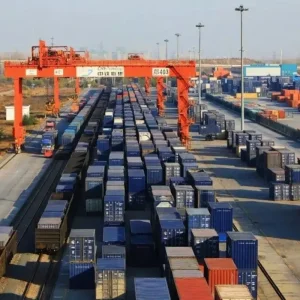
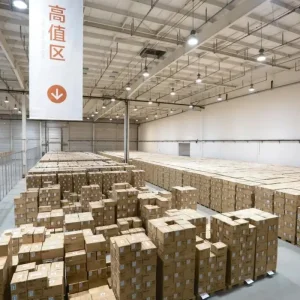
Direct port allocation, cross-dock consolidation, and dedicated multi-modal lanes engineered for high-volume distributors and global trade exporters.






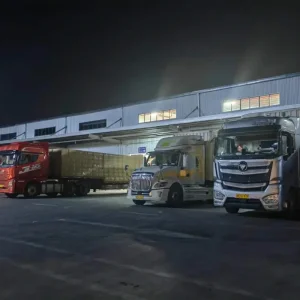
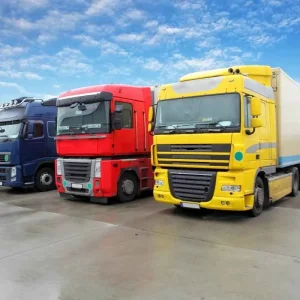
Addressing structural transformations in maritime slot allocation, air cargo capacity indexes, and digital customs frameworks.
In modern intercontinental commerce, the definition of an international shipping agency exporter has transcended basic freight forwarding. Historically characterized as transactional intermediaries matching cargo manifests with vessel bills of lading, leading global agencies today function as predictive architects of distributed enterprise value chains. Heightened volatility across primary trade arteries—ranging from the Malacca Strait to the Suez Canal—has exposed the fragility of conventional "just-in-time" supply logistics. In response, Tier-1 agencies operate decentralized multi-modal routing paradigms that dynamically balance cost, throughput speed, and carbon metrics.
As international supply chains navigate nearshoring, customs digitization, and stringent regional compliance tariffs, wholesale exporters depend on specialized logistics infrastructure. A resilient agency provides seamless visibility across origin manufacturing hubs, automated container freight stations (CFS), international transshipment terminals, and inland port depots. At Shanghai Meishe Supply Chain Technology Co., Ltd., we bridge systemic bottlenecks by combining decade-long operational tenure with advanced cargo classification, predictive inland cartage allocation, and guaranteed customs clearance velocity.
How multinational brands, distributor consortia, and e-commerce enterprises mitigate geopolitical risks and optimize unit economics.
Global procurement heads require all-inclusive DDP frameworks that absorb demurrage, port storage spikes, customs tariffs, and fuel surcharges into transparent, auditable unit metrics.
Consolidating stock from disparate tier-1 and tier-2 manufacturers across China into unified high-density containers, reducing overall carton handlings and maximizing cubic-meter volumetric utilization.
Rigorous pre-shipment classification against evolving global harmonized tariffs (HTS/HS codes), Section 301 rules, CE standards, and regional import quotas to preclude port holds.
The operational agility to pivot in mid-transit between express air cargo, deferred ocean LCL, expedited rail corridors, and dedicated overland linehauls based on market shifts.
A unified blueprint detailing physical cargo handoffs, carrier slot contracts, and localized last-mile infrastructure.
Operating critical sorting and staging facilities across Shenzhen, Yiwu, and Shanghai. Services encompass precise dimension scanning, FBA carton prep, pallet restructuring, anti-shock bundling, and comprehensive safety auditing for DG cargo such as lithium batteries and magnetic assemblies.
Direct service contracts with primary steamship liners and air charter networks ensure stable block space agreements (BSA), locked seasonal allocations, and bypassing volatile spot-market scalping on pivotal transpacific and Europe-bound routes.
In-house marine insurance consultancy protecting enterprise cargo against general average, salvage charges, and catastrophic transit perils, ensuring complete fiscal mitigation from provenance to point-of-sale.
Bypassing destination friction through established in-country brokerage networks and bonded transport systems.
Direct electronic filing for Automated Commercial Environment (ACE), ISF (10+2) security protocol submission, Lacey Act documentation, and Section 321 type 86 e-commerce clearances. Coordinated last-mile appointments into Amazon FBA West, Central, and East Coast fulfilment facilities via contracted dry-van fleets and express delivery partners.
Integrated Import One-Stop Shop (IOSS) management, ICS2 pre-arrival risk compliance, full VAT deferred accounting systems, and trans-Eurasian rail freight customs transfer points at Małaszewicze and Duisburg, ensuring rapid uncoupling from port delays.
Navigating the Australia-China Free Trade Agreement (ChAFTA) with certified Certificates of Origin (COO), strict biosecurity import declarations (BMSB), and regional customs bonded transfers through primary ASEAN transshipment centers in Singapore, Port Klang, and Bangkok.
Deploying technological capabilities to optimize carbon efficiency, automated routing, and telemetry visibility.
Automated integration into carrier slot exchanges, predicting ocean void sailings and rate shifts 21 days in advance.
Real-time sensing arrays monitoring container internal humidity, shock thresholds, and geospatial GPS coordinates across all intermodal movements.
Natural language processing frameworks cross-referencing multi-language product invoices with customs binding rulings to minimize misclassification liability.
Algorithmic consolidation reducing total TEU carbon emissions via low-sulfur vessels, electrified inland cartage, and biofuel offset modeling.
Clear, definitive answers to standard technical, operational, and customs procedures for high-volume enterprise cargo.
A wholesale shipping agency possesses direct carrier block space agreements (BSA), maintains physical cross-docking warehouses in industrial centers (such as Shenzhen, Yiwu, Shanghai), files origin customs declarations in-house, and operates fully bonded destination logistics with dedicated customs clearing attorneys rather than simply reselling digital booking slips.
Under Delivered Duty Paid (DDP), the agency quotes an all-inclusive single landed cost encompassing ocean/air carriage, destination terminal handling, import customs clearance fees, import duties, harbor maintenance fees, and last-mile freight. Under DDU (Delivered Duty Unpaid), the buyer remains the importer of record and must settle duties, taxes, and local brokerage directly with port authorities.
Shipments containing standalone or embedded batteries require an authentic UN38.3 test summary, Material Safety Data Sheet (MSDS), and proper carrier-compliant dangerous goods declarations prior to staging. As experienced exporters, we ensure packaging compliance, mandatory battery hazard labelling, and verified air/ocean carrier approval to eliminate port rejections.
We issue unified SKU barcodes upon factory collection. Cartons arriving from disparate manufacturing sites across China at our consolidation warehouses are weighed, dimensioned, and cross-referenced against the master packing list. Discrepancies are flagged immediately before export customs filing and physical container loading.
While air transit requires 7–12 door-to-door days, sea freight ranges from 15–18 days for express Matson/fast-vessel services to 25–30 days for standard alliance rotations. When planning for peak promotional calendars (e.g., Q4), buyers should incorporate a 7-day variance buffer to accommodate terminal port congestion and Amazon facility intake slot delays.
Standard carrier liability under maritime statutes (such as the Carriage of Goods by Sea Act) typically caps indemnity at an insufficient $500 per package or customary freight unit. Dedicated all-risk marine insurance covers the full commercial valuation of the inventory plus freight margins against perils, water damage, theft, and costly General Average contributions.
Specialized regional routes, dedicated FBA lines, and global container freight management options.