Direct door-to-door forwarding, precision tariff optimization, global multimodal corridors, and secured global freight operations for commercial speedboats and heavy equipment.








Evaluating high-velocity marine vessel engineering, the rise of commercial maritime procurement, and the shift toward zero-emission propulsion systems across global trade corridors.
The international wholesale speedboat manufacturing and export sector is experiencing a monumental transformation. Historically perceived primarily as a recreational luxury segment, high-speed marine craft—ranging from rigid inflatable boats (RIBs) and center consoles to high-performance stepped-hull offshore catamarans and cabin cruisers—have emerged as critical industrial and commercial capital assets. Global commercial buyers, resort conglomerates, governmental coast guard agencies, port security operators, and offshore energy logistics providers now represent a substantial percentage of bulk order volumes.
As enterprise procurement teams navigate the complexities of sourcing vessels from prime manufacturing hubs, particularly in China and East Asia, the focus has shifted beyond basic initial unit cost. Today, strategic buyers evaluate the holistic Total Cost of Ownership (TCO), dynamic hydrodynamic efficiency, hull fatigue resistance under heavy cyclic sea states, and the seamless integration of global multimodal freight. Sourcing wholesale speedboats demands rigorous synchronization between naval architects, smart manufacturing yards, and global forwarding partners who possess the technical capability to manage breakbulk, flat-rack (FR), roll-on/roll-off (RORO), and Delivered Duty Paid (DDP) door-to-harbor handovers.
Three primary technological engines are reshaping how wholesale speedboats are engineered, evaluated, and exported on the global stage:
Systematic classification of international fleet procurement criteria across luxury tourism, tactical defense, water taxi transit, and offshore energy infrastructure.
Demands center console crafts (28–42 ft) configured with premium non-skid teak decking, customized ergonomic seating, dual or triple outboard configurations, onboard sound isolation, and high-efficiency shading systems capable of sustained high-cycle daily charter duty in tropical UV-heavy environments.
Requires high-displacement monohull or catamaran crafts (32–55 ft) designed to transport 12 to 36 passengers safely. Focuses heavily on ISO stability verification, wide non-slip boarding transoms, low-maintenance marine gelcoats, integrated diesel inboard/sterndrive or high-thrust outboards, and low passenger-mile operating expenditures.
Stipulates heavy-duty military-grade Hypalon/Neoprene collar RIBs or 5083-H116 marine aluminum speedboats. Specifications demand self-righting hull capabilities, ballistic cockpit reinforcement options, shock-mitigation seating, forward thermal/FLIR optical mast mounts, and rapid vessel-launch transom configurations.
Engineered for high-impact fender bumpers, bow fendering for turbine platform docking, expansive open utility cockpits for technical equipment transport, and ruggedized power generators facilitating offshore subsea inspection and rapid maintenance team dispatch.
Deploys standardized fleet packages (18–24 ft bowriders and runabouts) that prioritize foolproof electronic helm limits, impact-resistant polyurethane rub rails, simplified modular replacement components, and ultra-durable vinyl upholstery resilient against continuous UV and saltwater exposure.
| Procurement Class | Typical Length (ft / m) | Hull Material Standard | Propulsion Type | Cruising Speed / Range | Primary Regulatory Standard |
|---|---|---|---|---|---|
| Resort / Hospitality Express | 32 – 40 ft (9.8 – 12.2 m) | Infused Vinyl-Ester / Carbon | Twin/Triple 300HP Outboards | 32 kts / 280 NM | CE Category B, NMMA Certified |
| High-Speed Passenger Shuttle | 38 – 50 ft (11.5 – 15.2 m) | Marine Alloy 5083-H116 or GRP | Twin Marine Inboard Diesel / Jets | 26 kts / 350 NM | ISO 12217-1, USCG Subchapter T |
| Tactical Coastline Interceptor | 28 – 38 ft (8.5 – 11.6 m) | 5083 Aluminum + Hypalon Collar | Twin 400HP Supercharged V8/V10 | 50+ kts / 300 NM | ISO 6185-4 Type X, MIL-STD Shock |
| Turnkey Dealer Stock (Wholesale) | 20 – 28 ft (6.1 – 8.5 m) | Vacuum Infused E-Glass GRP | Single 150–300HP 4-Stroke | 30 kts / 200 NM | ABYC Standards, CE Mark |
Deep dive into modern robotic naval engineering, high-precision vacuum resin infusion, advanced multi-axis CNC tooling, and coastal industrial cluster ecosystems.
The global dominance of Chinese manufacturing has evolved past assembly-line operations into an advanced era of Industrial Internet of Things (IIoT) and Naval Industry 4.0 ecosystems. For international organizations purchasing speedboats at scale, China offers an integrated industrial supply chain that pairs naval architecture sophistication with rapid lead-time execution. In coastal shipbuilding epicenters spanning Guangdong (Pearl River Delta), Zhejiang (Ningbo and Zhoushan), Jiangsu, and Shandong (Qingdao and Weihai), the vertical integration of naval supply chains minimizes raw material friction, reduces lead times by up to 40% compared to Western European yards, and enforces exacting structural consistency.
Traditional open hand-layup fiberglass construction is obsolete among leading Chinese speedboat export manufacturers. Top-tier production lines utilize closed-mold Vacuum Assisted Resin Transfer Molding (VARTM). Under controlled negative atmospheric pressure, vinyl-ester or epoxy resins are drawn uniformly through multi-axial non-crimp glass fibers and structural PVC closed-cell foam cores (e.g., Airex or Divinycell). This yields precise glass-to-resin ratios of 65:35 by weight, eliminating voids, dry spots, and structural delamination risks. The resulting hull structures provide a 30% weight reduction over open-molded hulls while increasing tensile rigidity and high-speed wave-slamming endurance.
In naval architecture, millimeter variances alter running trim, hydroplaning release points, and hydrodynamic resistance. Chinese marine manufacturers employ large-scale, gantry-mounted 5-axis CNC machining stations spanning up to 30 meters. These robotic milling routers shape master plugs and structural molds directly from computational fluid dynamics (CFD) CAD files with tolerances within ±0.3 mm. In aluminum vessel manufacturing lines, automated pulsed-MIG and laser welding systems fabricate 5083-H116/H321 marine-grade hulls under shielding inert gas environments, guaranteeing deep weld penetration and absolute acoustic stress relief across keel stringers and transom stress points.
The core structural advantage of Chinese speedboat manufacturing rests within industrial localization. Within a 50-kilometer radius of principal shipyards, specialized auxiliary manufacturing ecosystems supply CE-approved fuel tanks, 316 stainless steel cleats and T-top frames, marine electrical harnesses (tin-plated copper), tempered marine glass windscreens, custom aluminum shipping cradles, and commercial outboard rigging components. This eliminates cross-border component transit lag, protects wholesale buyers against volatile sub-tier component inflation, and guarantees that multi-vessel fleet orders maintain uniform spare parts interoperability.
Bridging the critical gap between factory shipyard testing pools and international port discharge through dedicated oversized cargo engineering, marine insurance, and turnkey customs execution.
The primary barrier in wholesale speedboat importing is rarely manufacturing capacity—it is international transport logistics and regulatory customs clearance. A 36-foot commercial speedboat cannot simply be slotted into a standard dry shipping container. Its excessive beam (often exceeding 2.59 m / 8.5 ft), overall height on transit trailers, and delicate gelcoat finishes classify it as Out of Gauge (OOG) High-Value Project Cargo. Without a forwarder possessing specialized naval lashing, ocean freight slot booking, and destination tariff clearance mastery, importers face catastrophic cargo impact damage, vessel stability failures, or severe customs impoundments.
Examining field-tested performance, maritime route logistics, and long-term durability profiles of Chinese-built high-speed craft across global operating environments.
Deployment: Fleet of 8 custom 38ft luxury center consoles for private resort passenger transfers between St. Maarten, Anguilla, and St. Barts. Powered by dual 350HP outboard setups with reinforced heavy-duty T-tops and freshwater washdown systems. Cargo handled via 40ft Flat Racks with DDP delivery straight to Philipsburg harbor.
Deployment: 12 high-speed aluminum stepped-hull interceptor crafts (32ft) commissioned for marina security and VIP shuttle transit in Dubai and Abu Dhabi. Built with 5083-H116 hull alloy to resist high water salinity and extreme ambient temperatures (50°C), incorporating oversized cockpit air-conditioning compressors and marine sun-reflecting gelcoats.
Deployment: 6 high-displacement 45ft passenger catamarans engineered to ferry 30 passengers between Phuket and the Phi Phi islands in the Andaman Sea. Built with vacuum-infused multi-axial vinyl ester to handle high cyclic monsoon swells, equipped with twin commercial inboard diesels driving straight shafts for unmatched field reliability.
Authoritative answers addressing engineering certifications, ocean logistics, hull durability, battery hazards, and DDP import compliance.
Connecting Chinese naval shipyards and manufacturing plants directly to distribution hubs, commercial ports, and enterprise fulfillment centers globally.

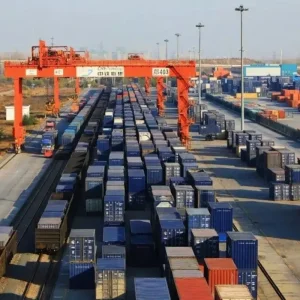
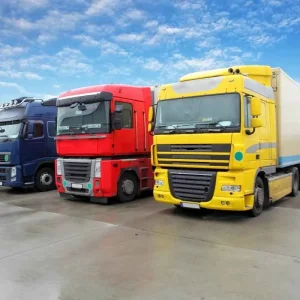




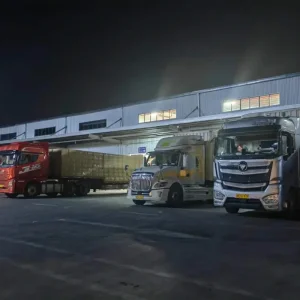
Synthesizing naval engineering excellence, agile manufacturing ecosystems, and precision freight forwarding into a unified corporate procurement strategy.
In the contemporary marine industry, commercial success requires mastering both production precision and complex cross-border distribution. Sourcing wholesale speedboats from China allows global enterprises—from hospitality resorts and tour operators to law enforcement agencies and marine dealership networks—to leverage state-of-the-art naval engineering, advanced composite materials, and industrial clustering advantages that dramatically reduce per-unit procurement capital expenditures.
However, the realization of these strategic dividends hinges entirely upon selecting an export supply chain partner capable of navigating the multi-tiered complexities of international shipping. By uniting vacuum-assisted resin infusion and multi-axis CNC manufacturing standards with precision DDP logistics, OOG cargo management, full insurance brokerage consultancy, and specialized customs clearance, enterprise buyers secure predictable delivery timelines, eliminate compliance liabilities, and maximize fleet operating margins across the lifecycle of their marine assets.
